Visual Representations
Alongside my written reflections, this journal includes a series of visual reflections comprising artworks, photographs, sketches, and creative explorations developed throughout this paper and my creative practice. As a visual practitioner, creative and designer, I often process and make sense of ideas through making. Creative practice is not separate from my thinking; it is one of the ways I reflect, question, learn, and understand the world around me.
These visual works capture moments, concepts, and insights that have emerged throughout my learning journey, but mostly through my reflections. While they are informed by specific readings, discussions, and experiences, they also reflect the ways in which knowledge can be explored and expressed beyond the written word. Together, they provide another lens through which to engage with the ideas presented in this journal, giving visual form to the narratives, whakaaro, and learnings that have shaped my understanding of Indigenous research and creative practice.
Please note - the images on this page are property of Nichola Te Kiri ©
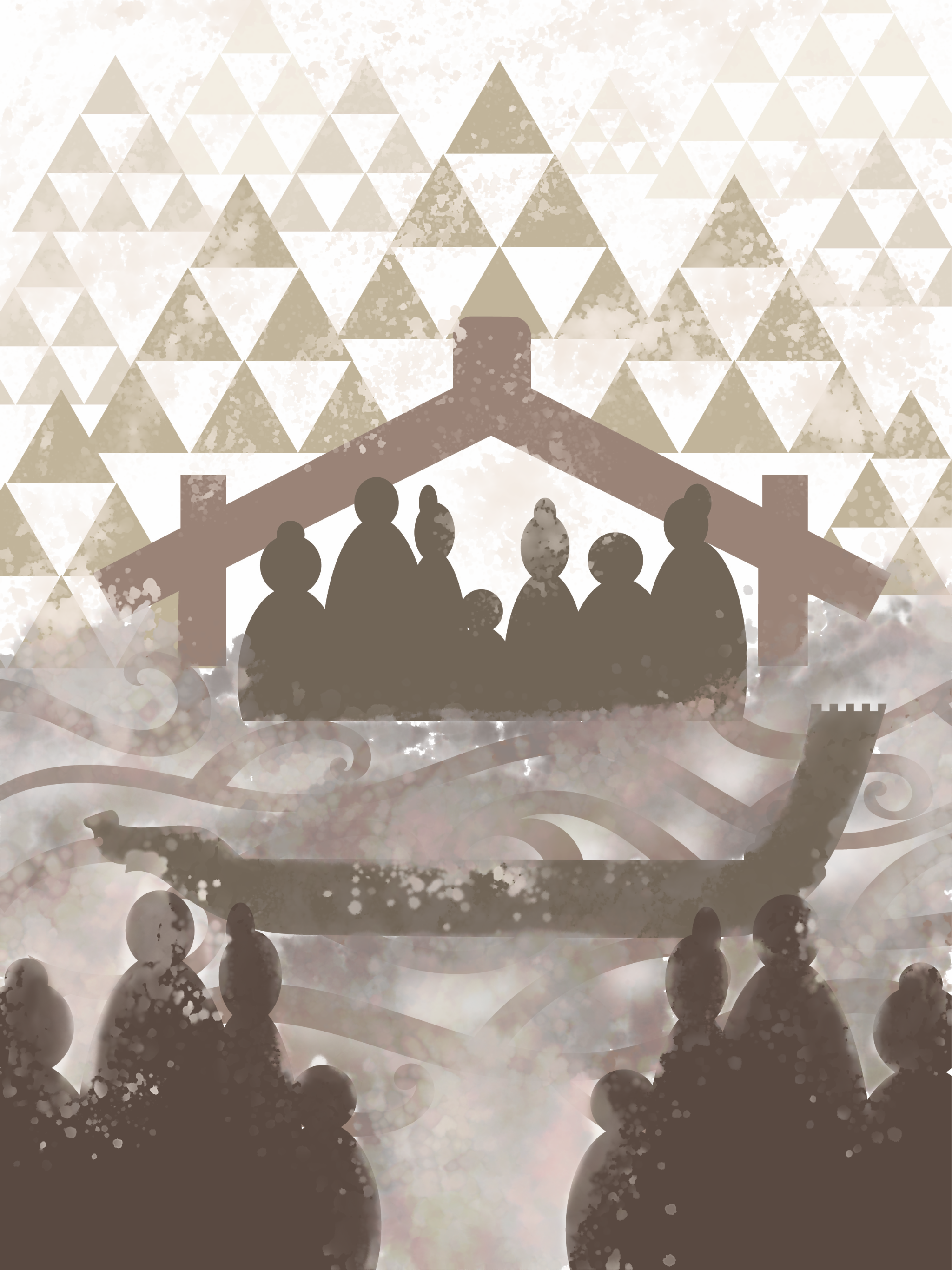
Image: my pepeha. This my reflection on positionality and relational theory
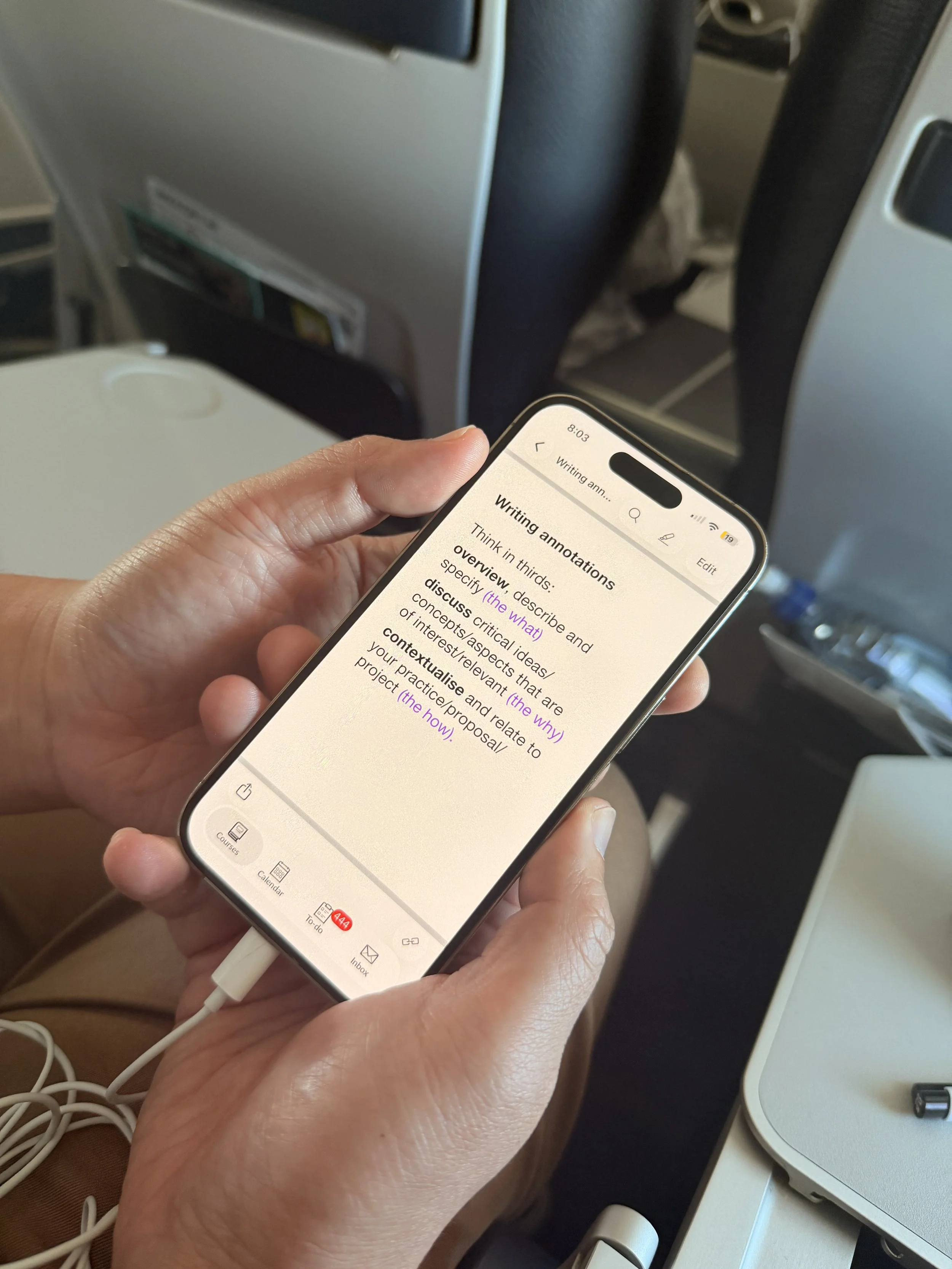
Image: Bobby Luke's phone showing notes for annotations. This was a conversation Bobby and I had about referencing while travelling to Turtle Island.
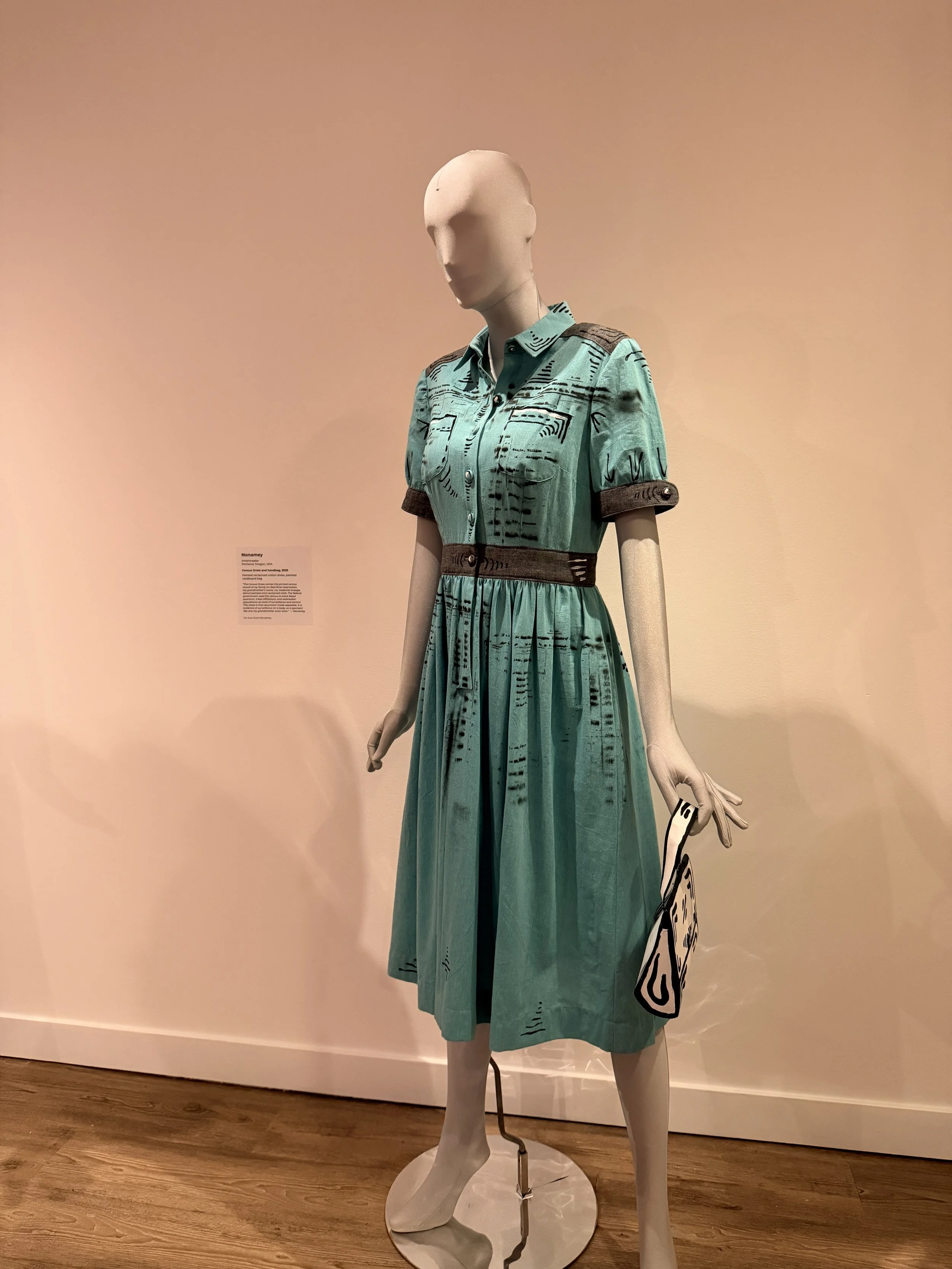
Image: Dress and bag by designer Nonamey - Anishinaabe, Portland, Oregon, USA. And it speaks to Blood quantum. Blood quantum fractures genealogy, Kauanui (2008).
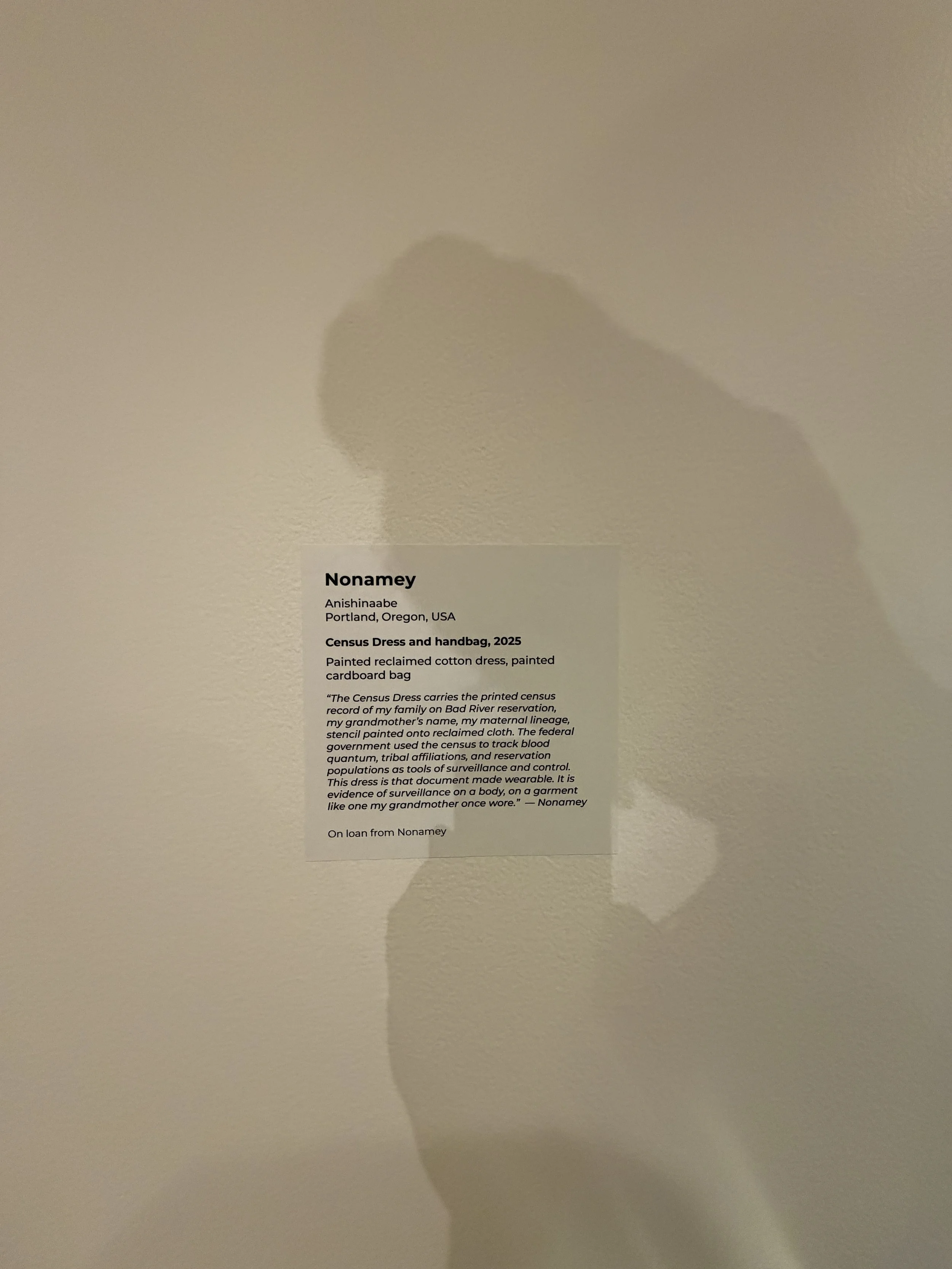
Image: The description for the Dress and bag by designer Nonamey - Anishinaabe, Portland, Oregon, USA. which speaks to Blood quantum. Blood quantum fractures genealogy, Kauanui (2008).
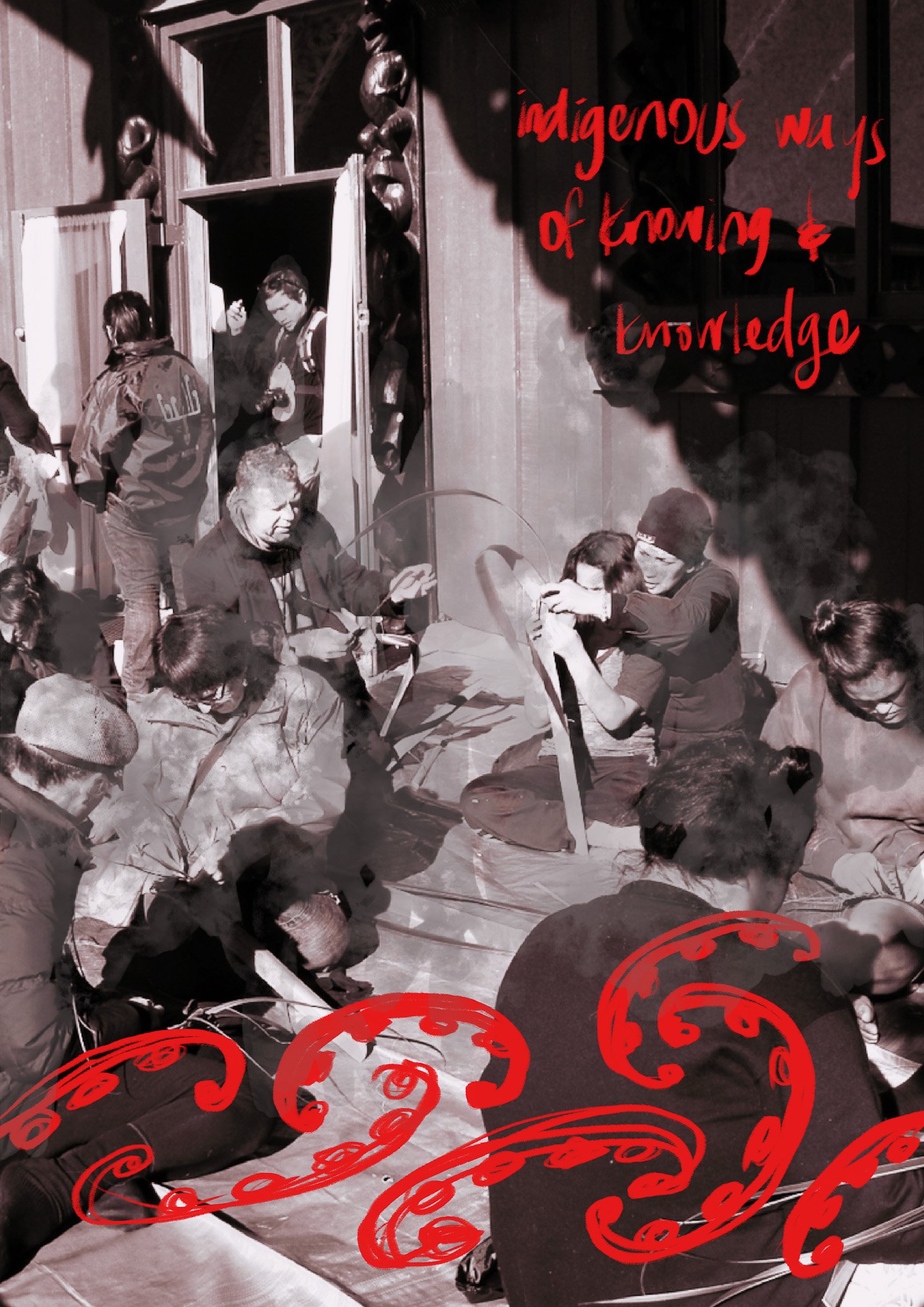
Image: shows one of the many workshops I did with Te Ranga Kura Whakairo, this was for matariki in 2008 at Orakei Marae. This is my reflection on indigenous ways of learning.
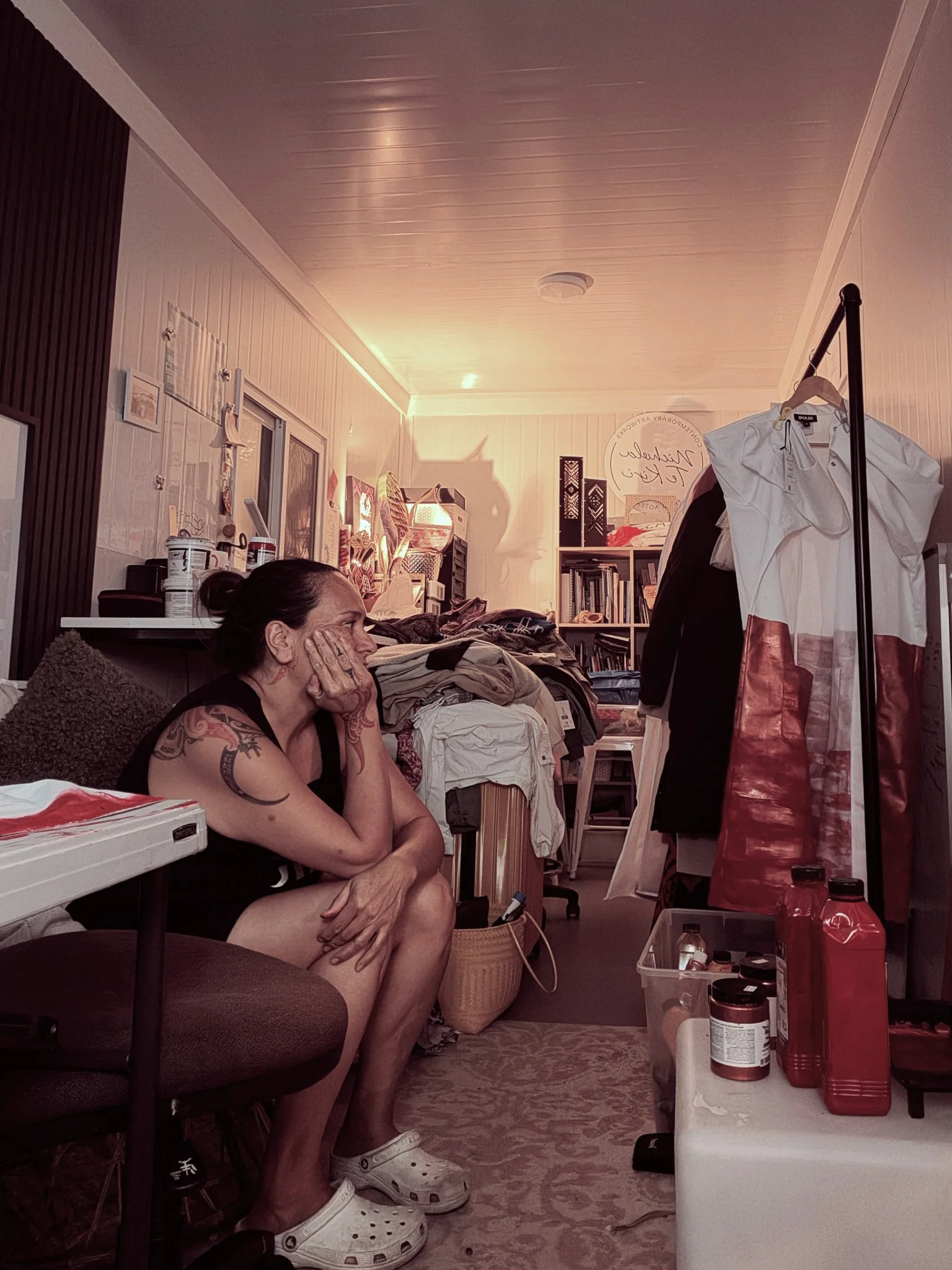
Image: Me (Nichola) in my tari container at home. It speaks to my practice-led research. Here I am in the midst of my creative space working through an idea.
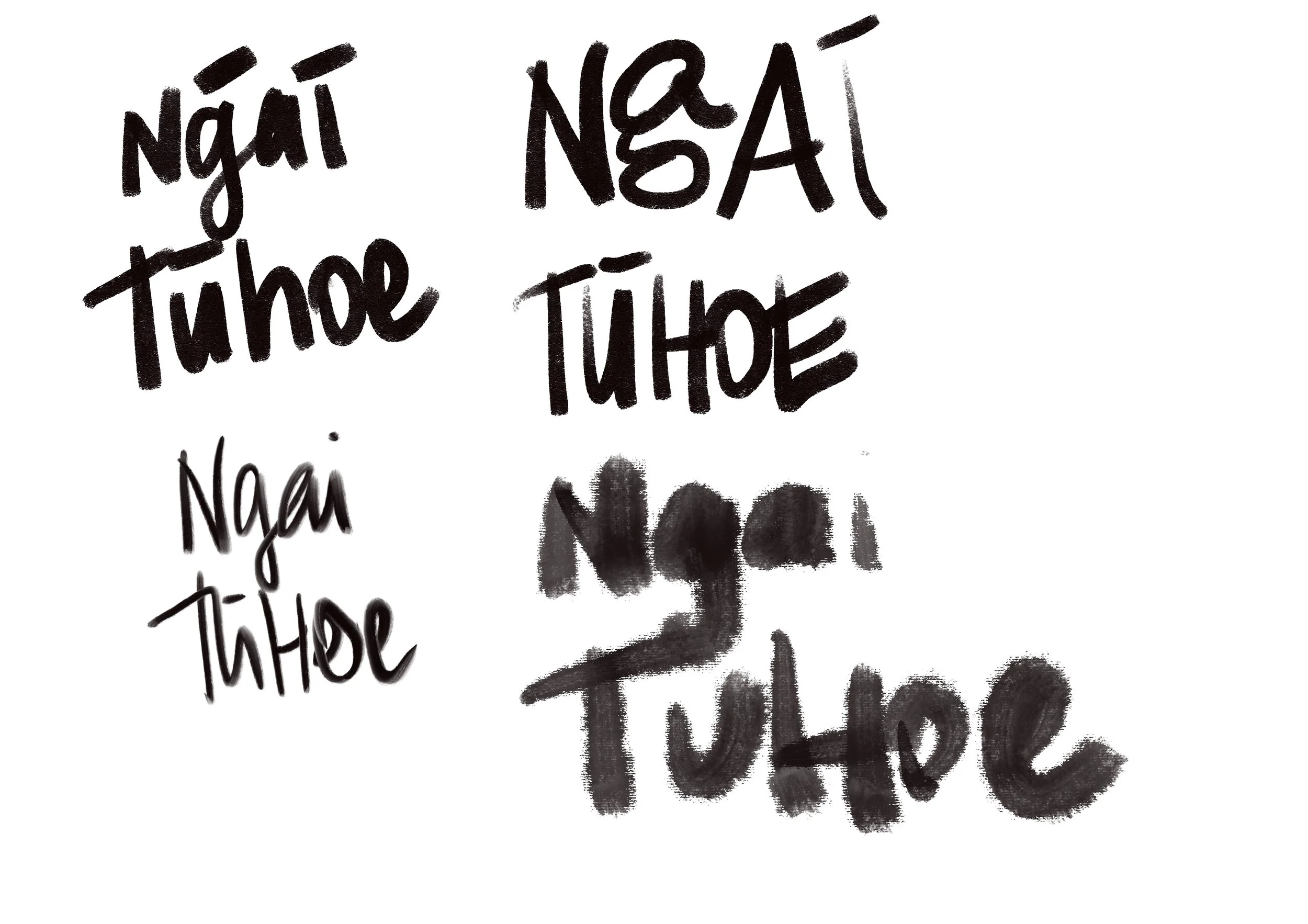
Image: Different Ngai Tūhoe fonts. Ko Tūhoe toku iwi... positionality & whakapapa.. important aspects of research.
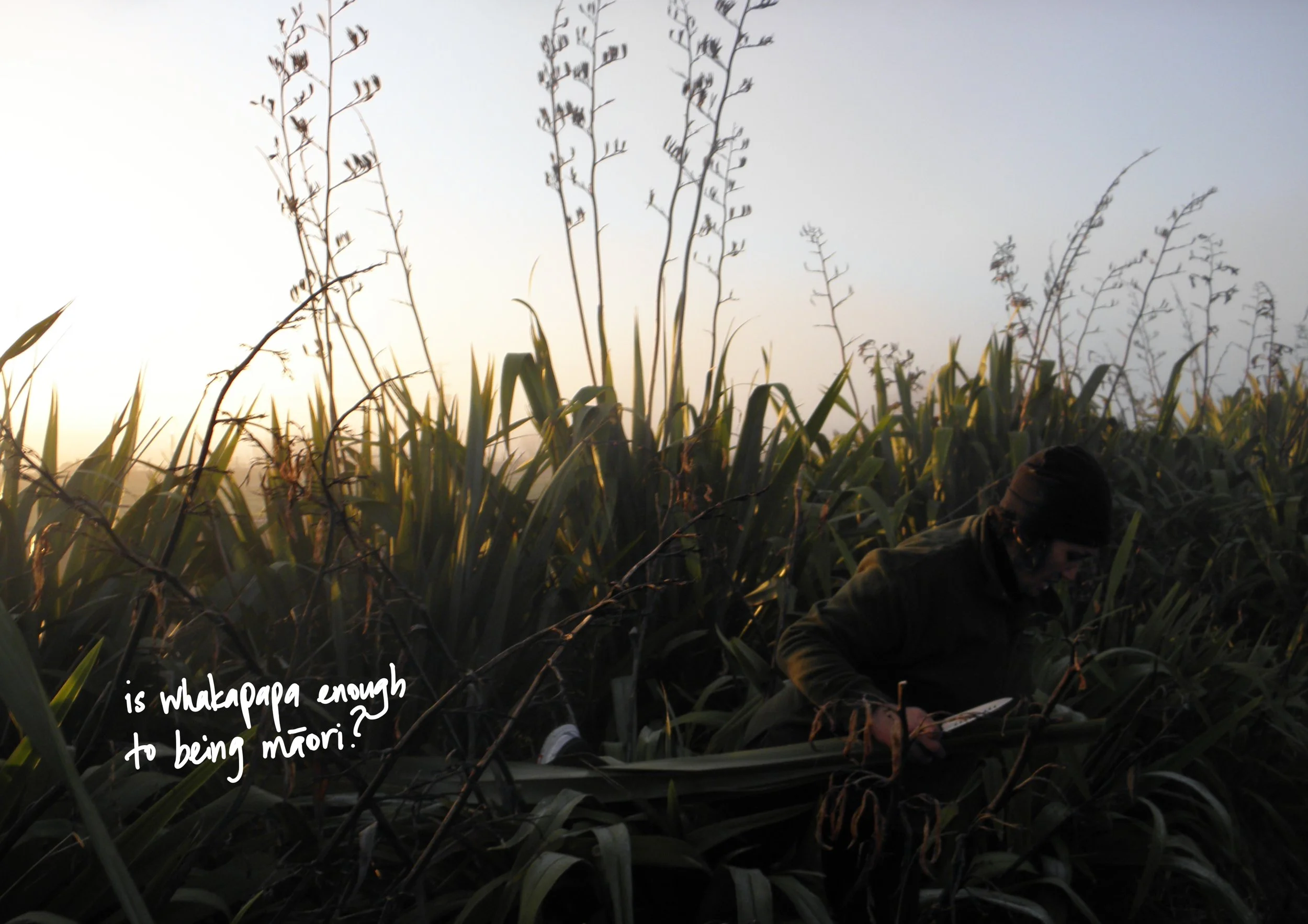
Image: Reirei Kingi harvesting Harakeke for our kaupapa in Orakei. This is my visual reflection on Politics of Recognition - Glen Coulthard.
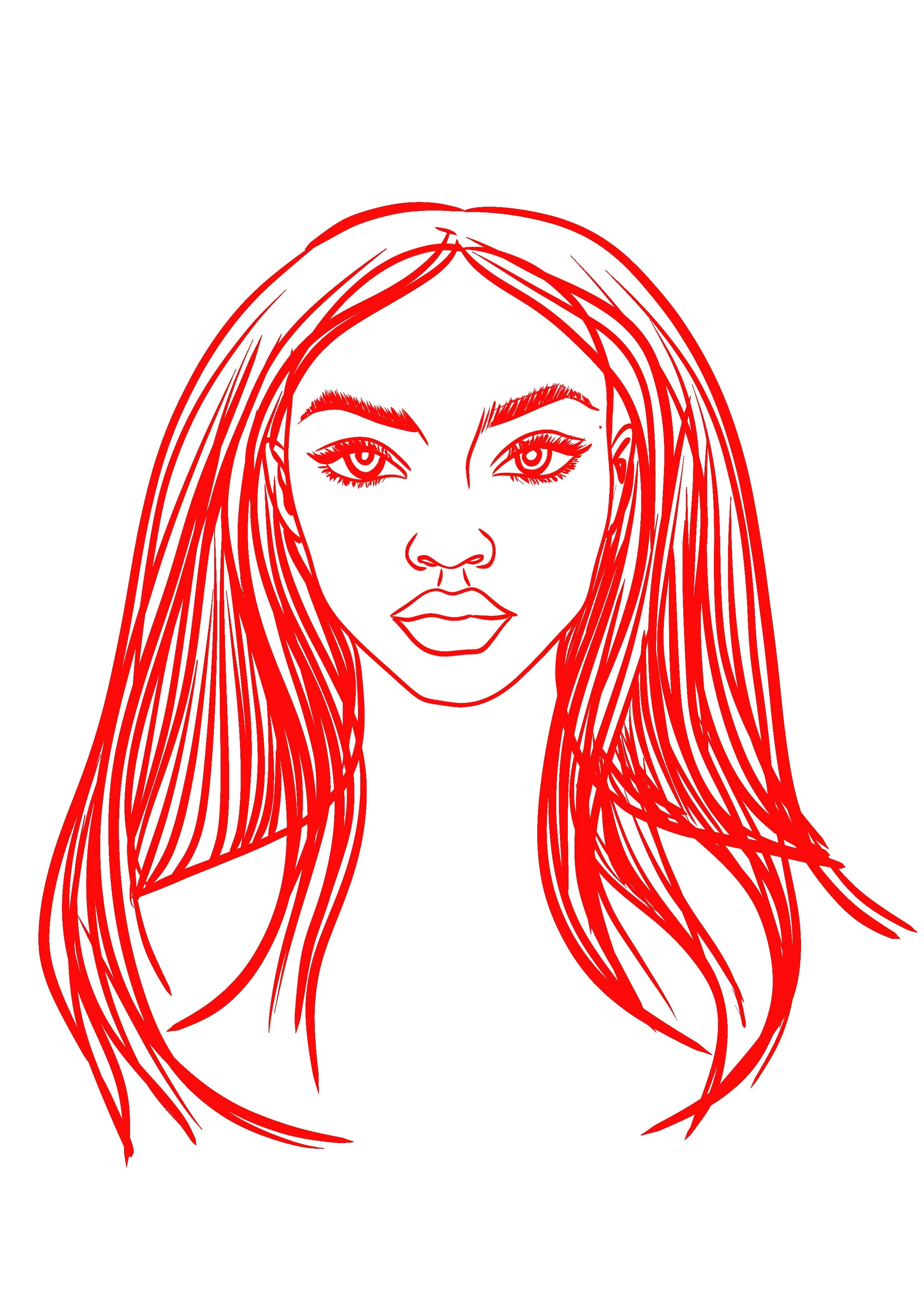
Image: Drawing of Waipuna-a-rangi. Bobby Luke's challenge to the personification of atua made me reconsider this image. If Waipuna-ā-rangi is not human, how might her presence be represented instead?
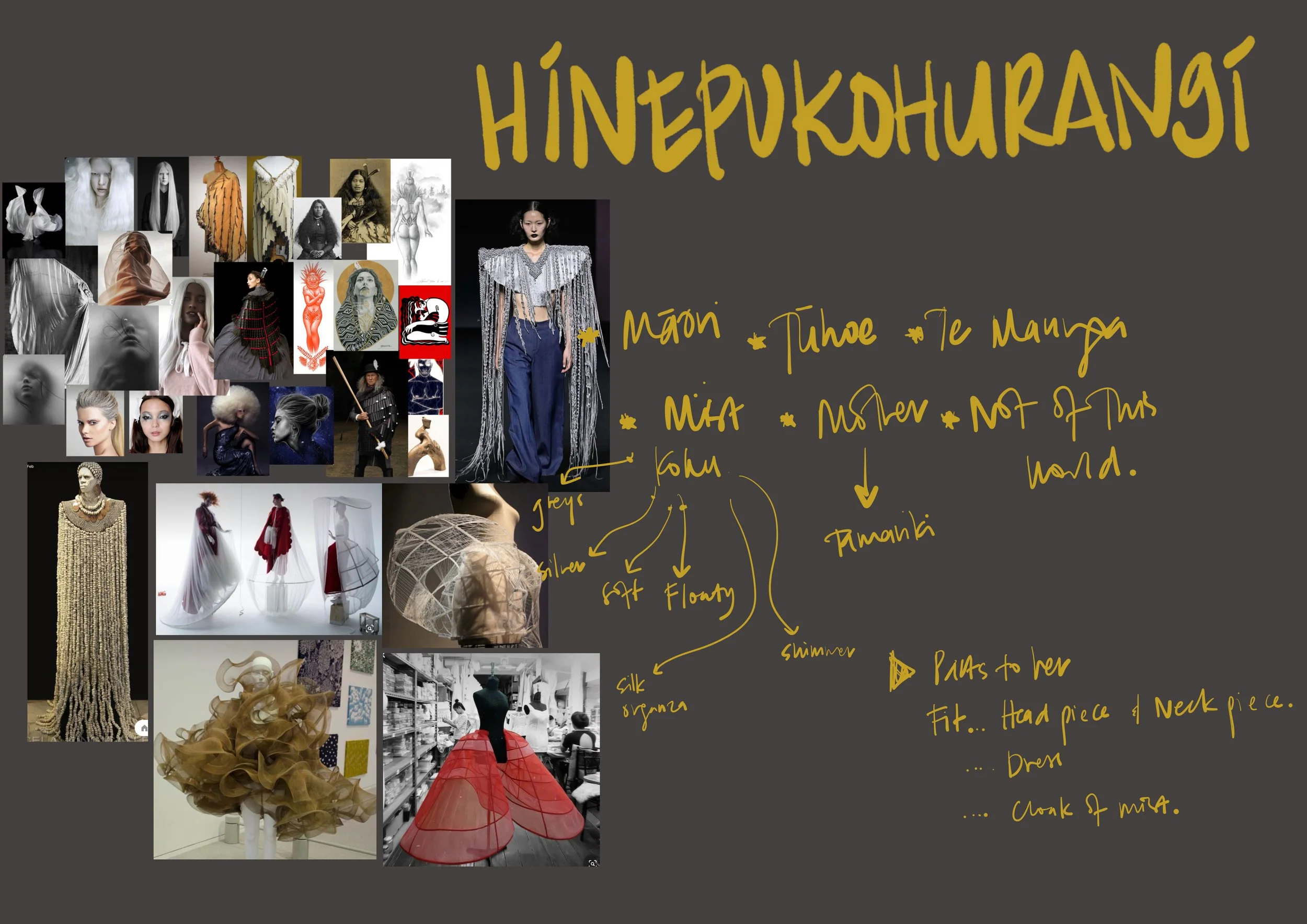
Image: Mood board for a creation I made representing Hinepūkohurangi. One of my many reflections about pūrakau.
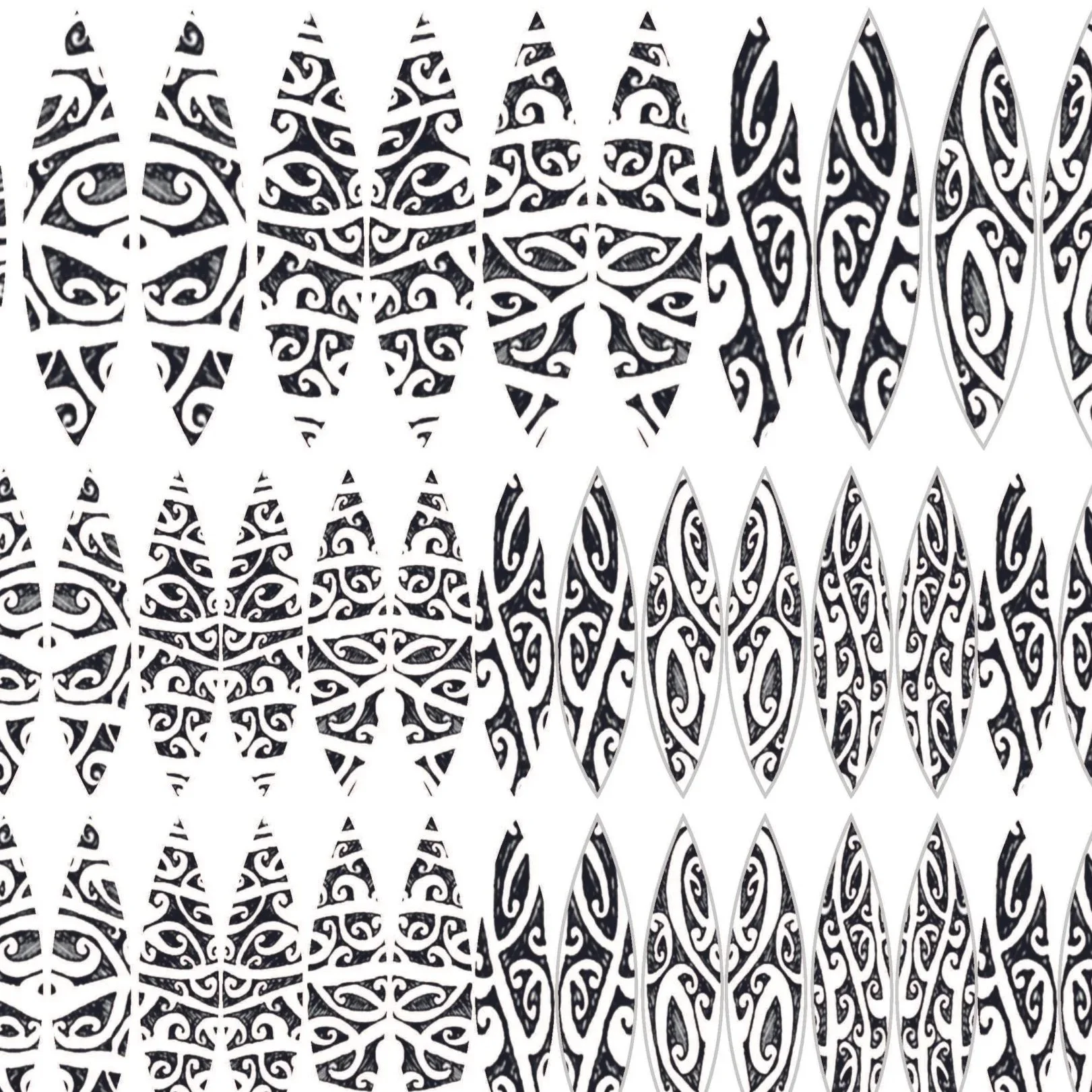
Image: Nga Mara earring template. Kaupapa Māori theory provides a space where my whakapapa, experiences, and creative practice are not separate from the research, but fundamental to it. It is a space for me to be me... which I feel relates to when I create.
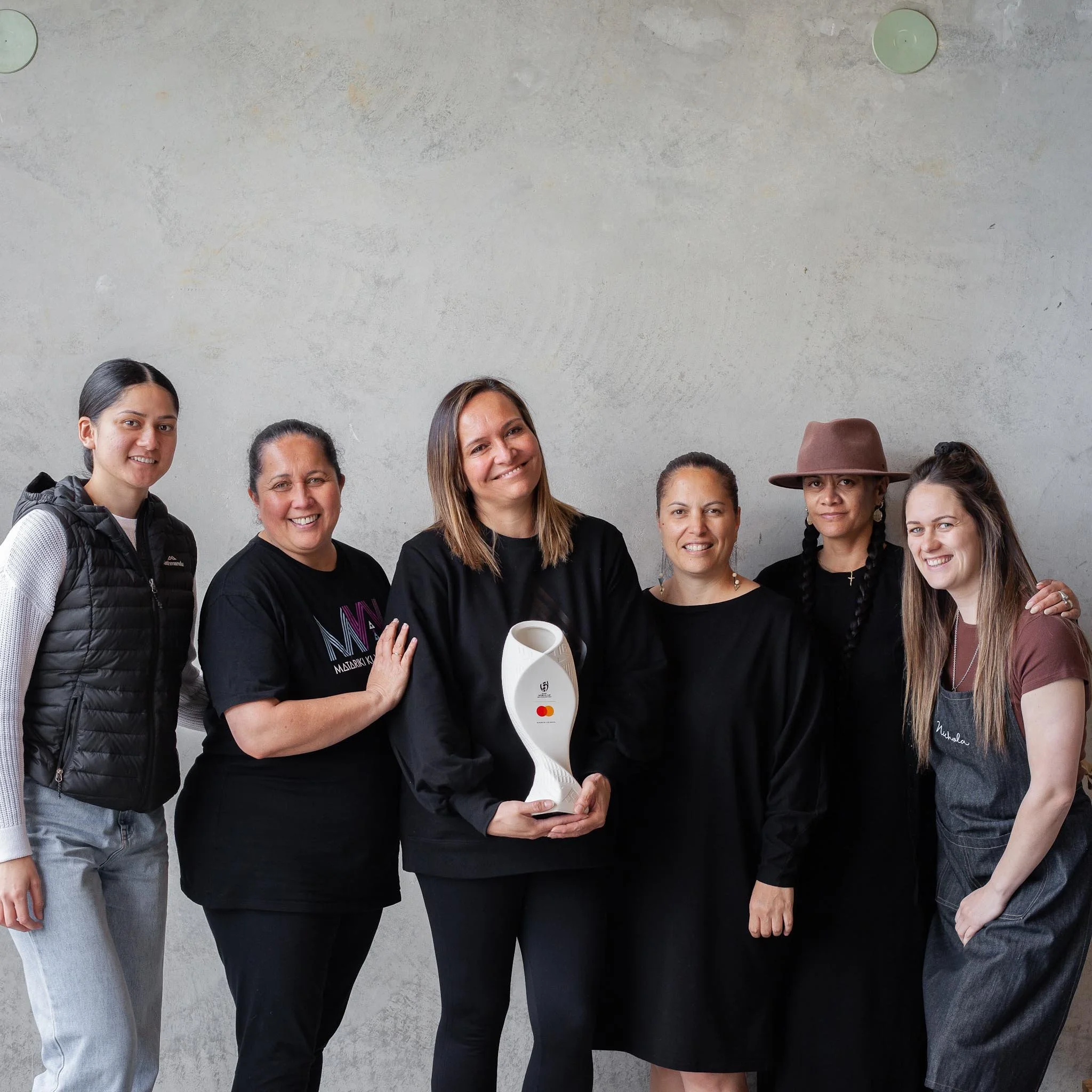
Image: the Nichola team in 2023. To me this image speaks to responsibility. I am responsible to more than just my objectives and research question... there are many responsibilities and accountability to research. Which I already feel as a leader within my team.. but on a different level.l
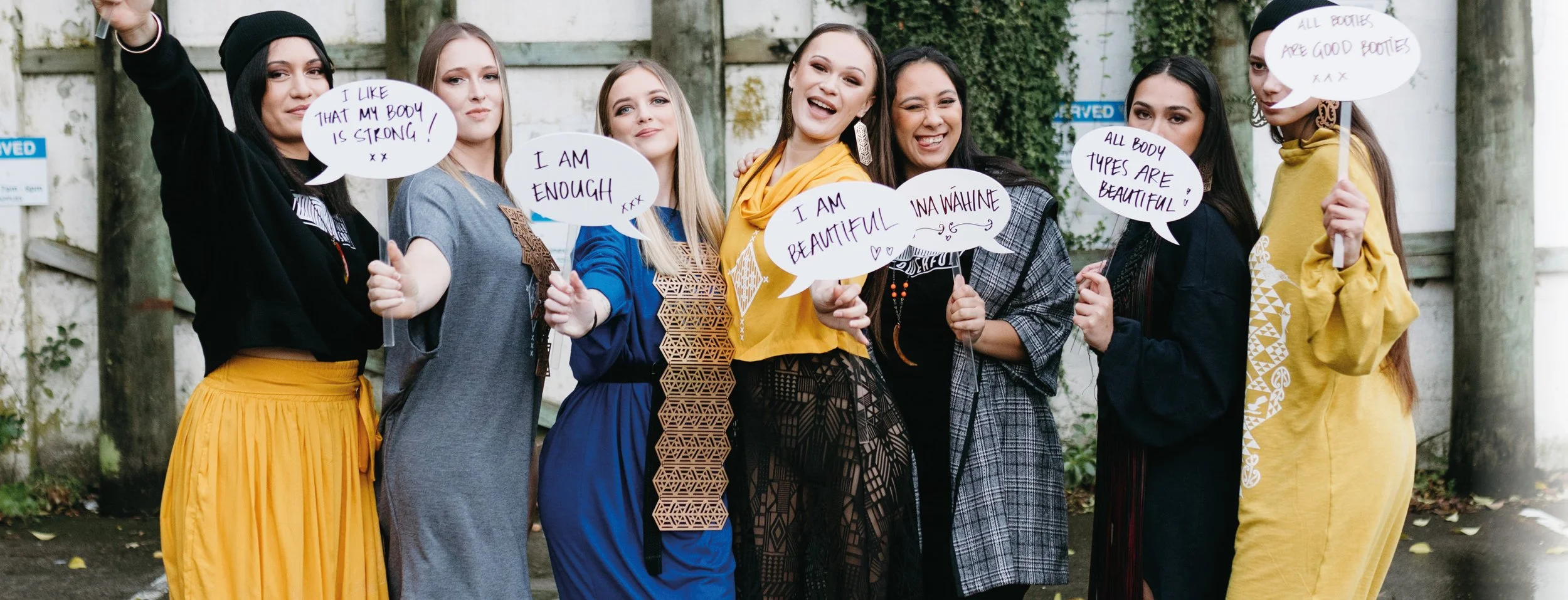
Image: Ahau - this is me picture of models wearing the ahau collection. This image speaks to silencing the negative voices in our head. The imposter syndrome... which I can feel when doing research.
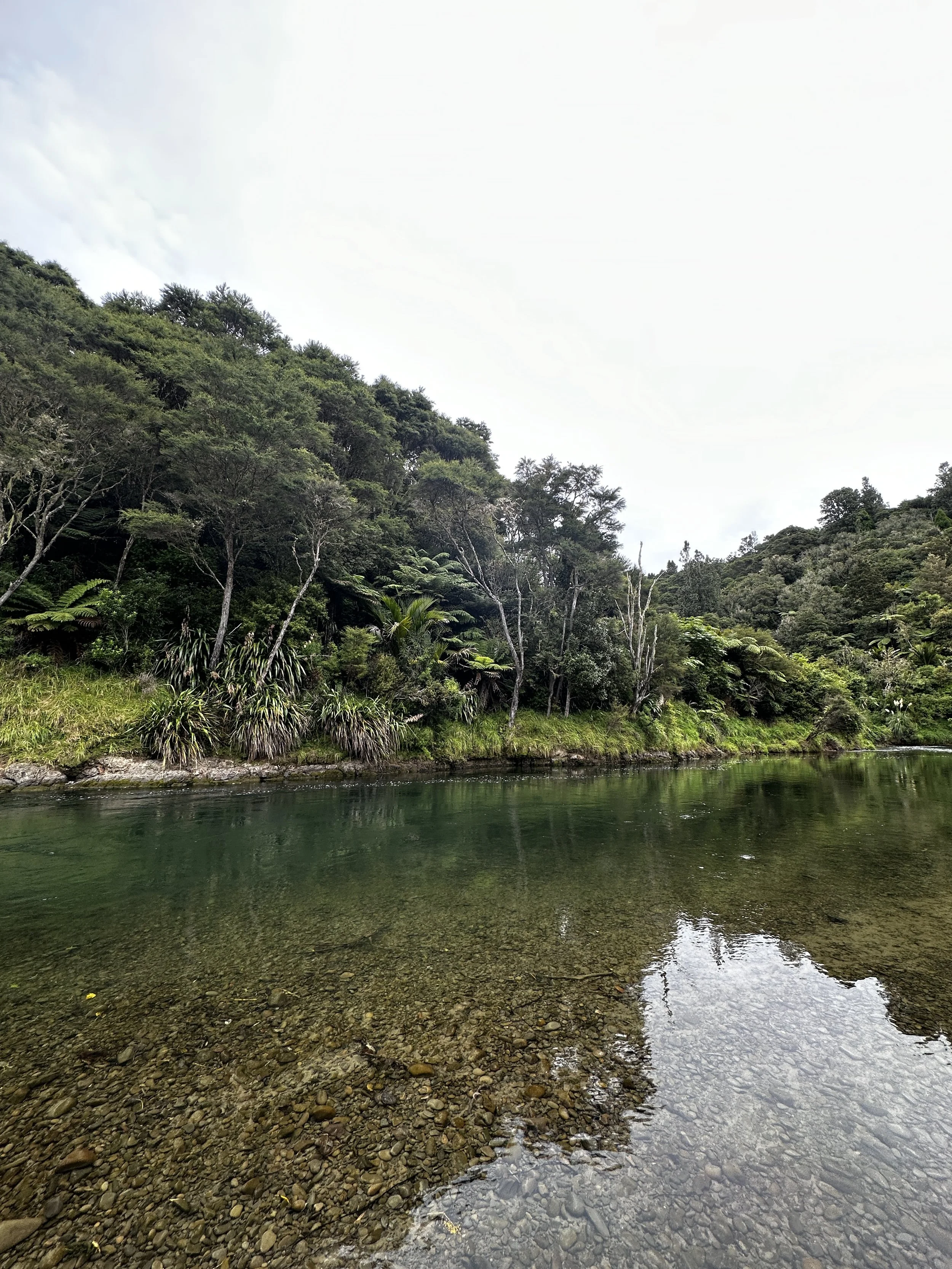
Image: Waimana gorge, also known as Turangi awa. "Freedom is acquired by conquest, not by gift" (Freire, 2005, p. 47)
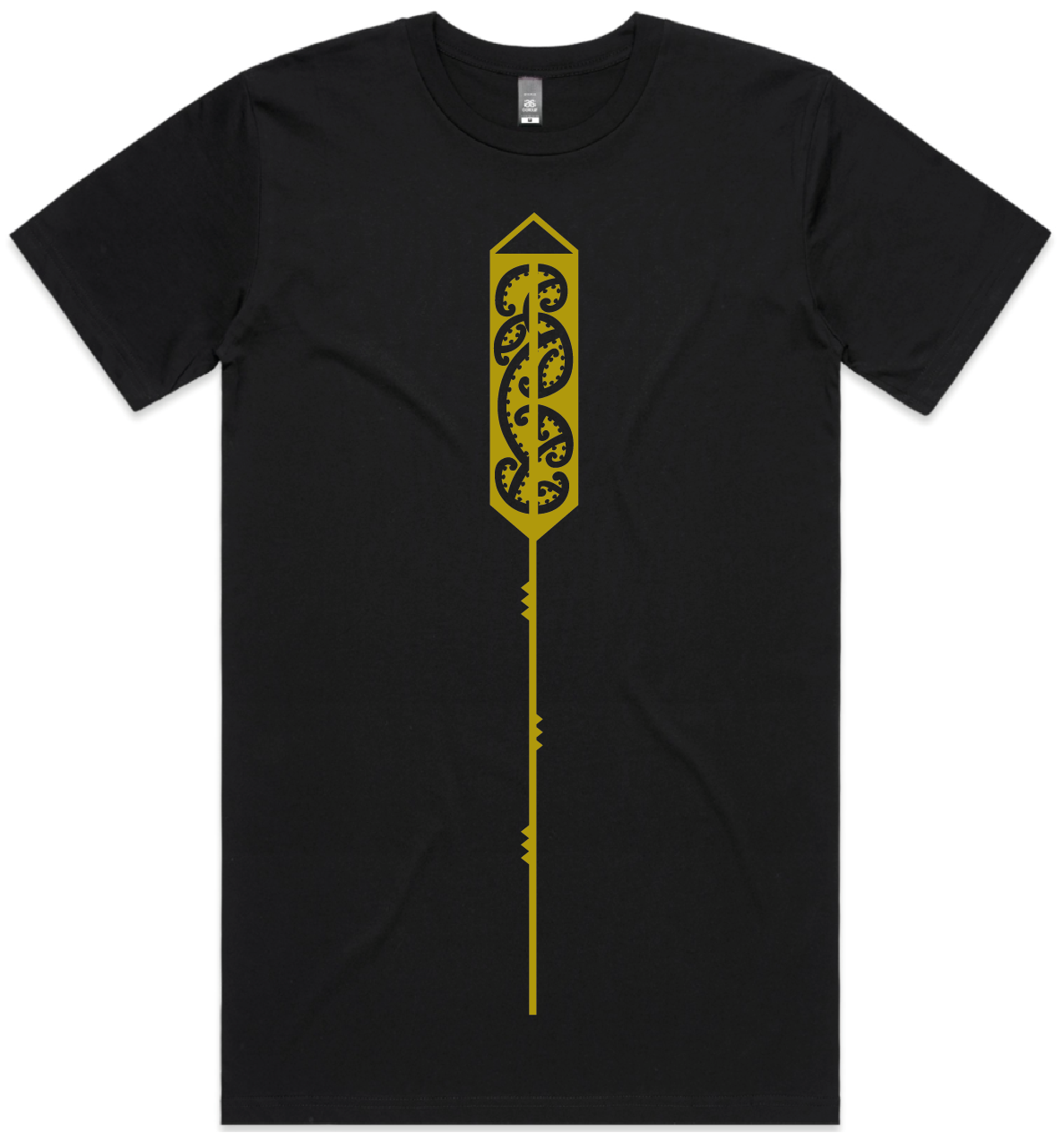
Image: Hautūtanga Tee Dress. Visual response and reflection of my visual language. Something I am just now starting to understand and claim.
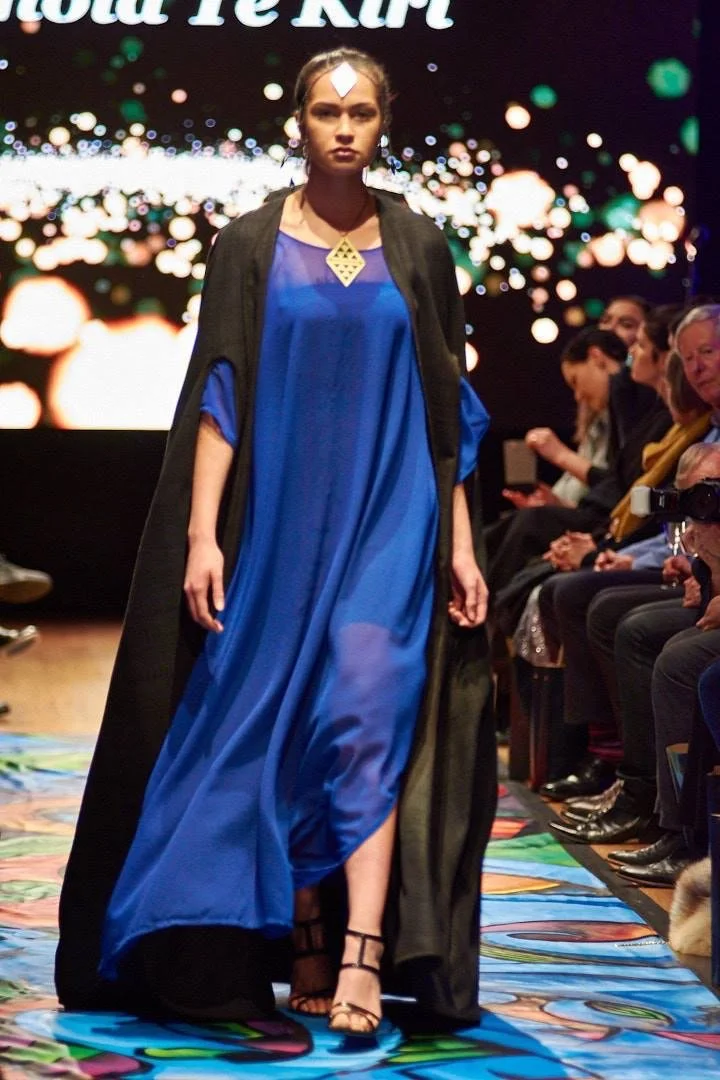
Image: Model at Miromoda fashion show, Pataka, Porirua, 2017. Matariki.. as kākahu. Representing embodied knowledge.
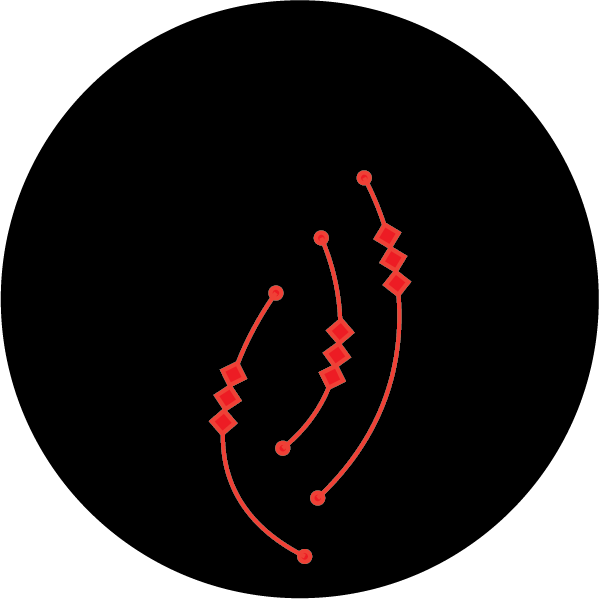
Image: A tohu I created to represent matariki the constellation. More of my visual language.
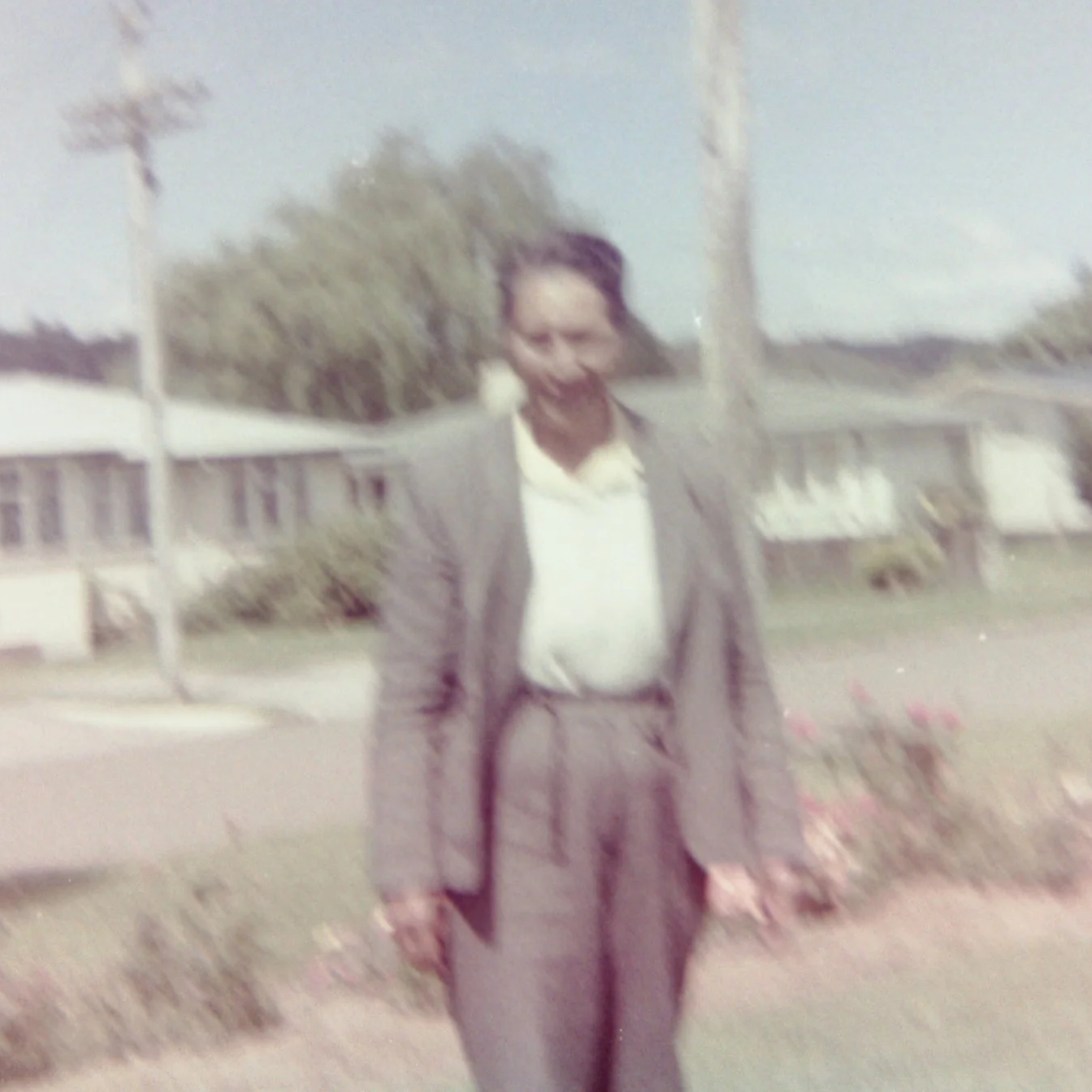
Image: Hiriwa Whiri (Te Kiri) my nan outside her whare in Whakatane 1980. She is someone I would have loved to have a conversation with about this idea of hononga, because she was a deeply wairua and superstitious wahine.
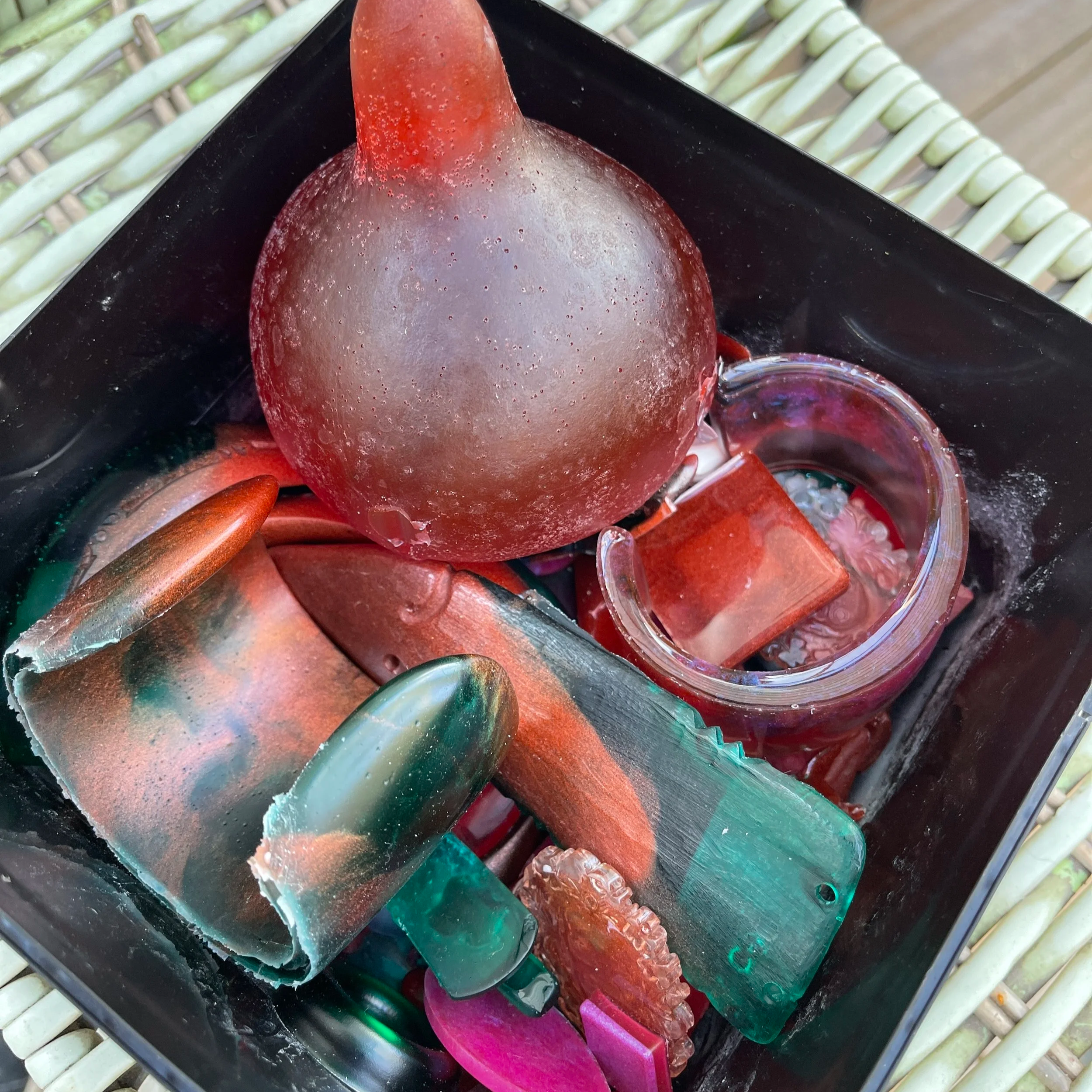
Image: Container of resin taonga I made in 2025. Creating resin taonga often feels therapeutic. As I reflected on Vaioleti's concept of vā, I wondered if this creative space (and potentially a space of vā) is where my hononga with each piece begins to form through the act of making itself.
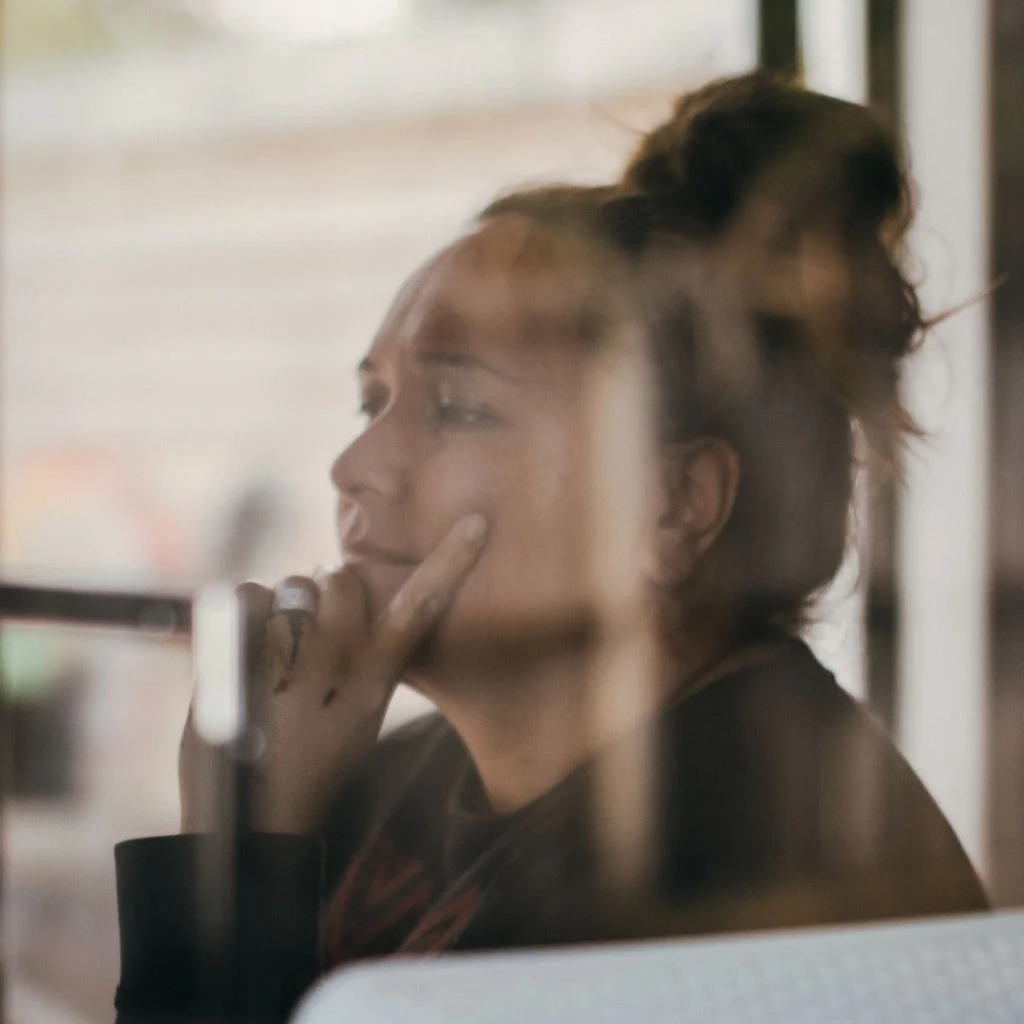
Image: Me in deep thought during the covid lock-downs. Reflecting.
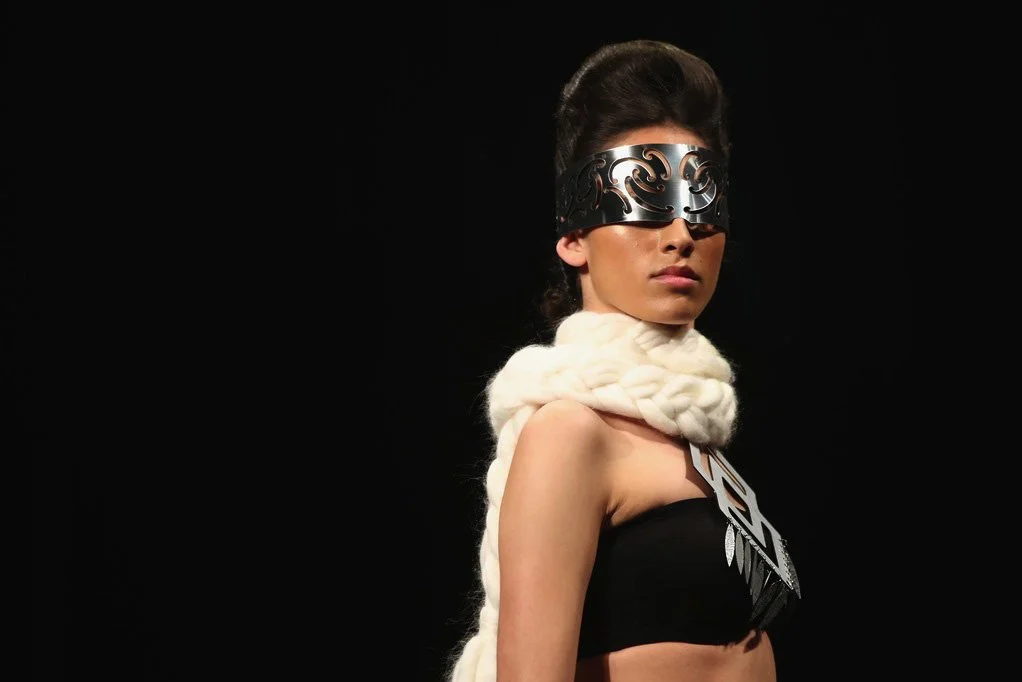
Image: Model wearing one of my HInepūkohurangi looks at NZFW 2018. Pūrakau embodied in kākahu and fashion.